
The Prevalence of Water Damage
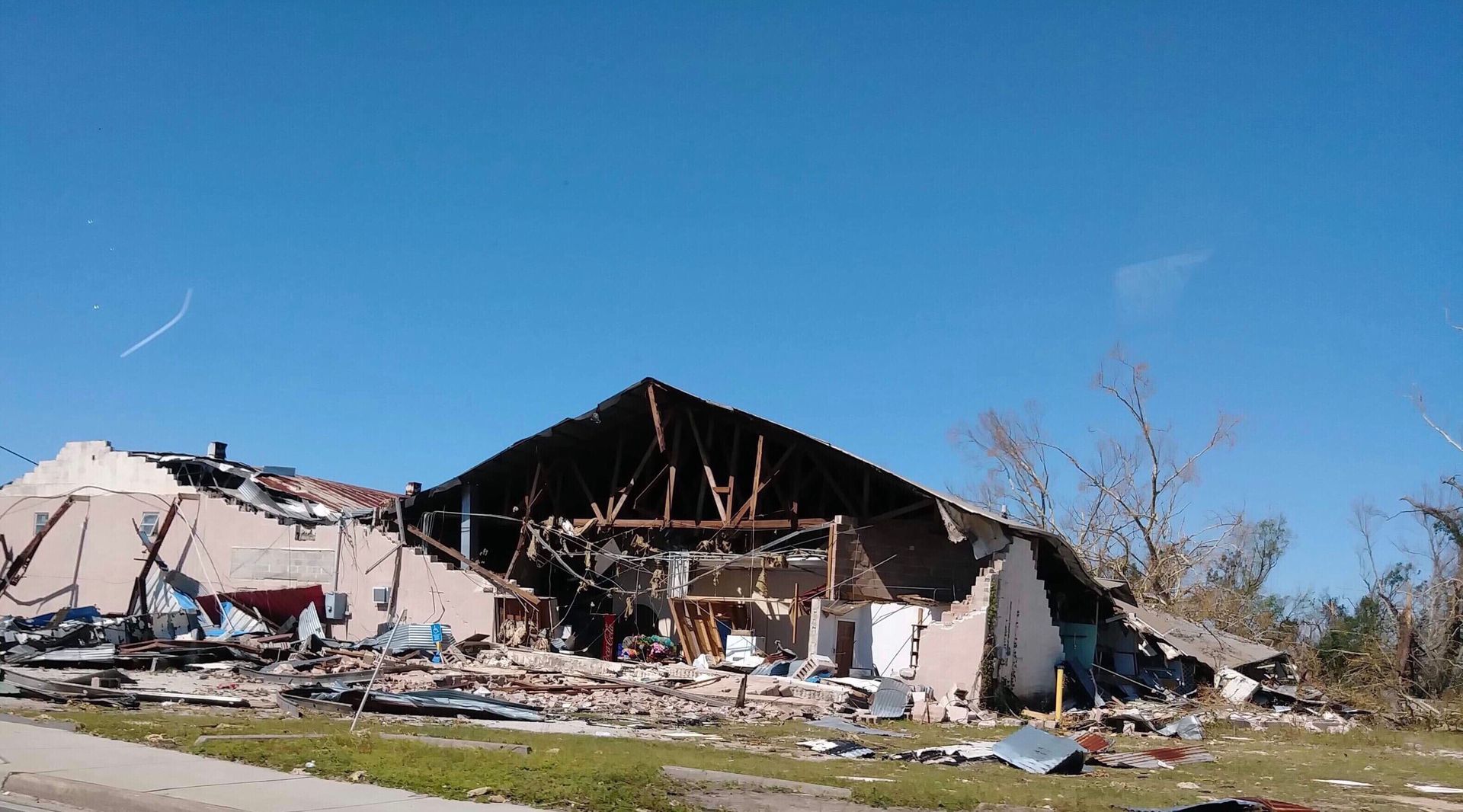
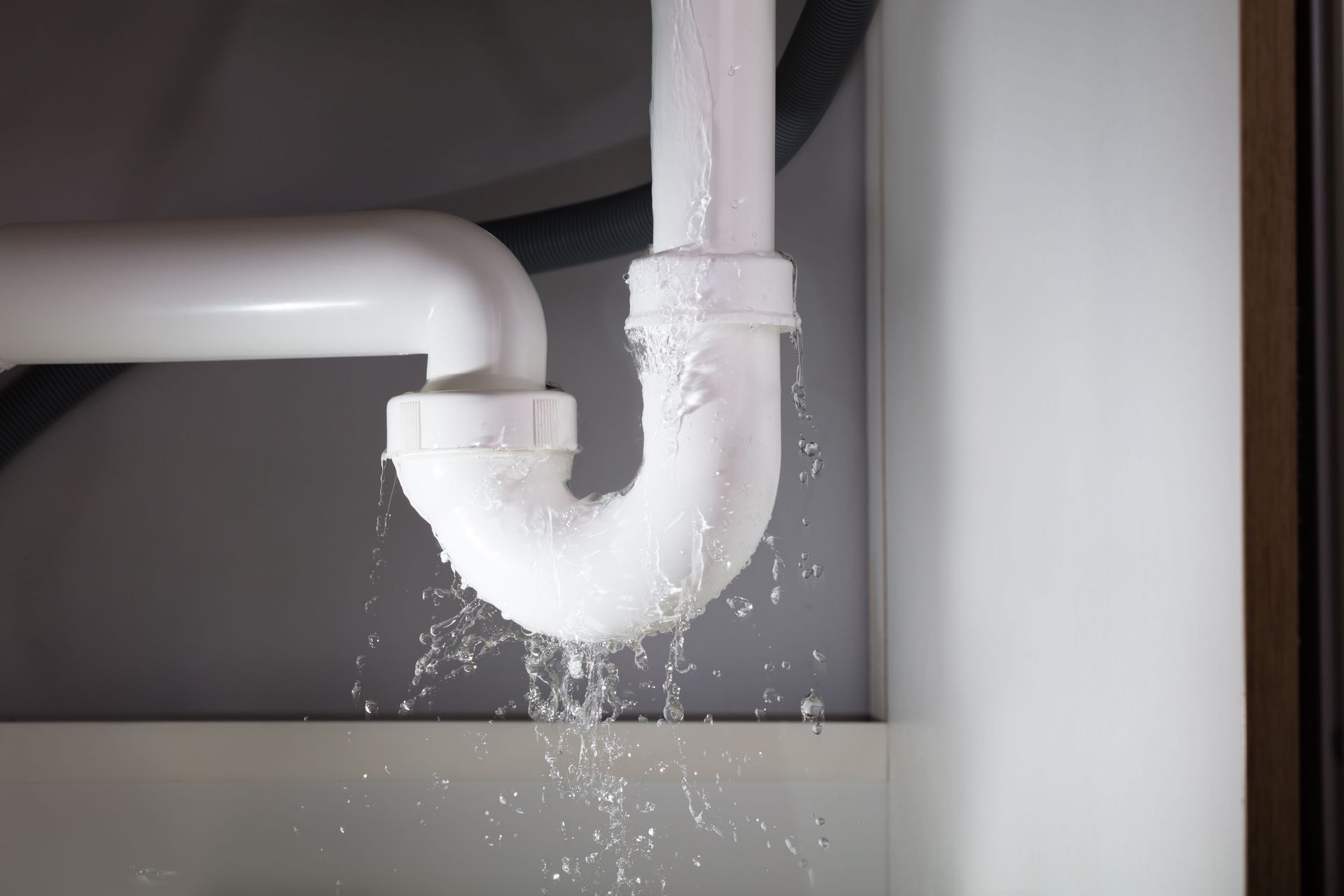
Whether stemming from sudden natural catastrophes like hurricanes or slow, hidden plumbing leaks behind drywall, excess moisture quickly compromises structural integrity and occupant safety. For public and commercial buildings, the consequences often amplify rapidly, causing severe operational disruptions, massive financial liabilities, and long-term health hazards. Specifically, incidents of school water damage can severely compromise educational environments, demanding urgent attention from administrators and facility managers who oversee these populated spaces. Recognizing the core causes, financial burdens, and ecological consequences of indoor moisture represents the initial step toward establishing effective, long-term building mitigation.
Comprehend Water Damage Dynamics
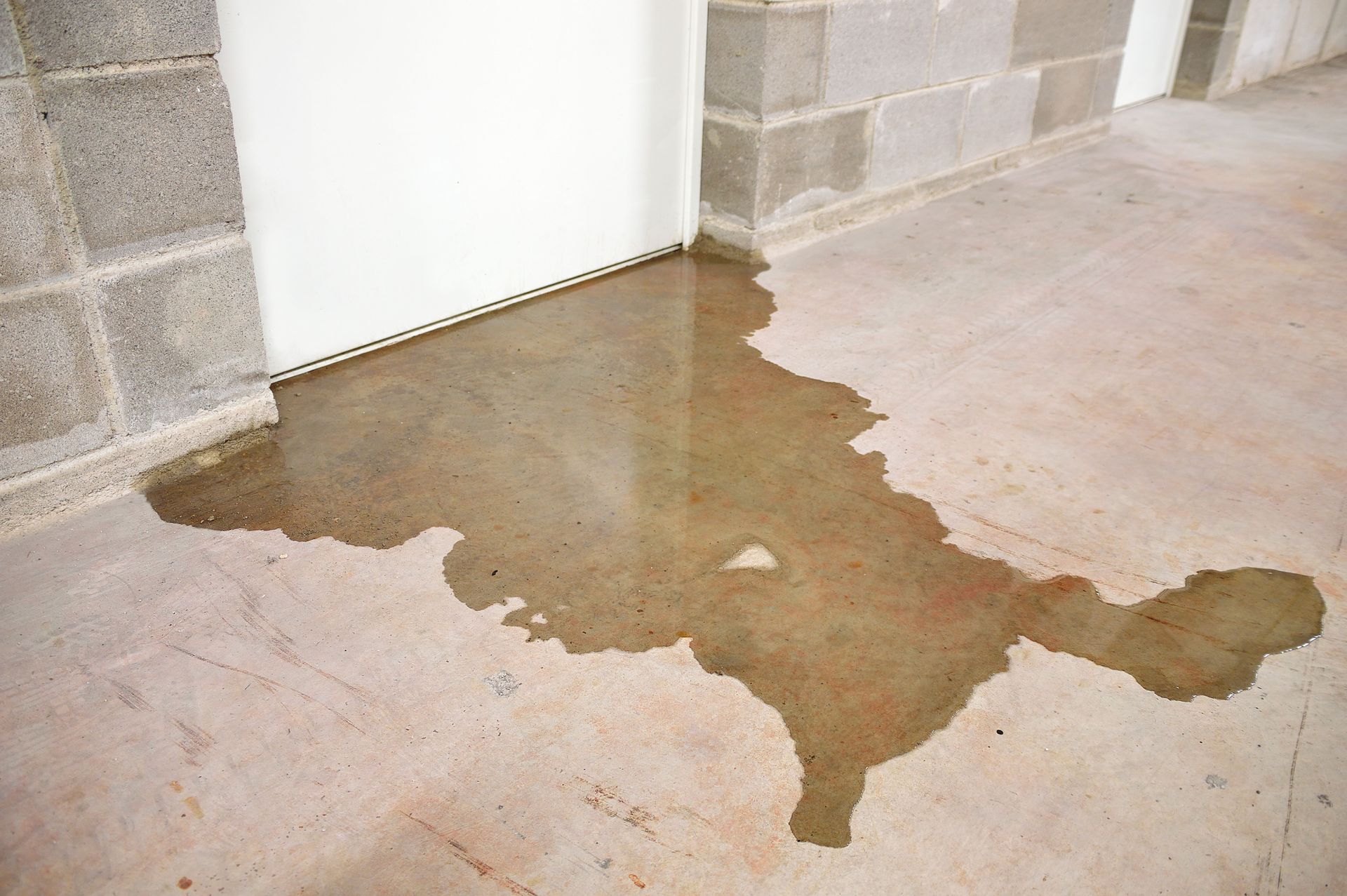
Indoor moisture intrusion manifests in various forms, each presenting distinct challenges for emergency remediation professionals and facility directors. Standard industry categorizations separate clean water supply leaks from hazardous gray or black water back-ups, which carry dangerous biological pathogens and chemical contaminants. While standard residential pipe bursts present localized challenges, a widespread incident like school water damage often involves complex, expansive layouts that require specialized high-capacity extraction equipment. Flooding from extreme weather events introduces massive volumes of external water, compounding structural threats and rendering standard municipal drainage systems entirely ineffective during seasonal crises.
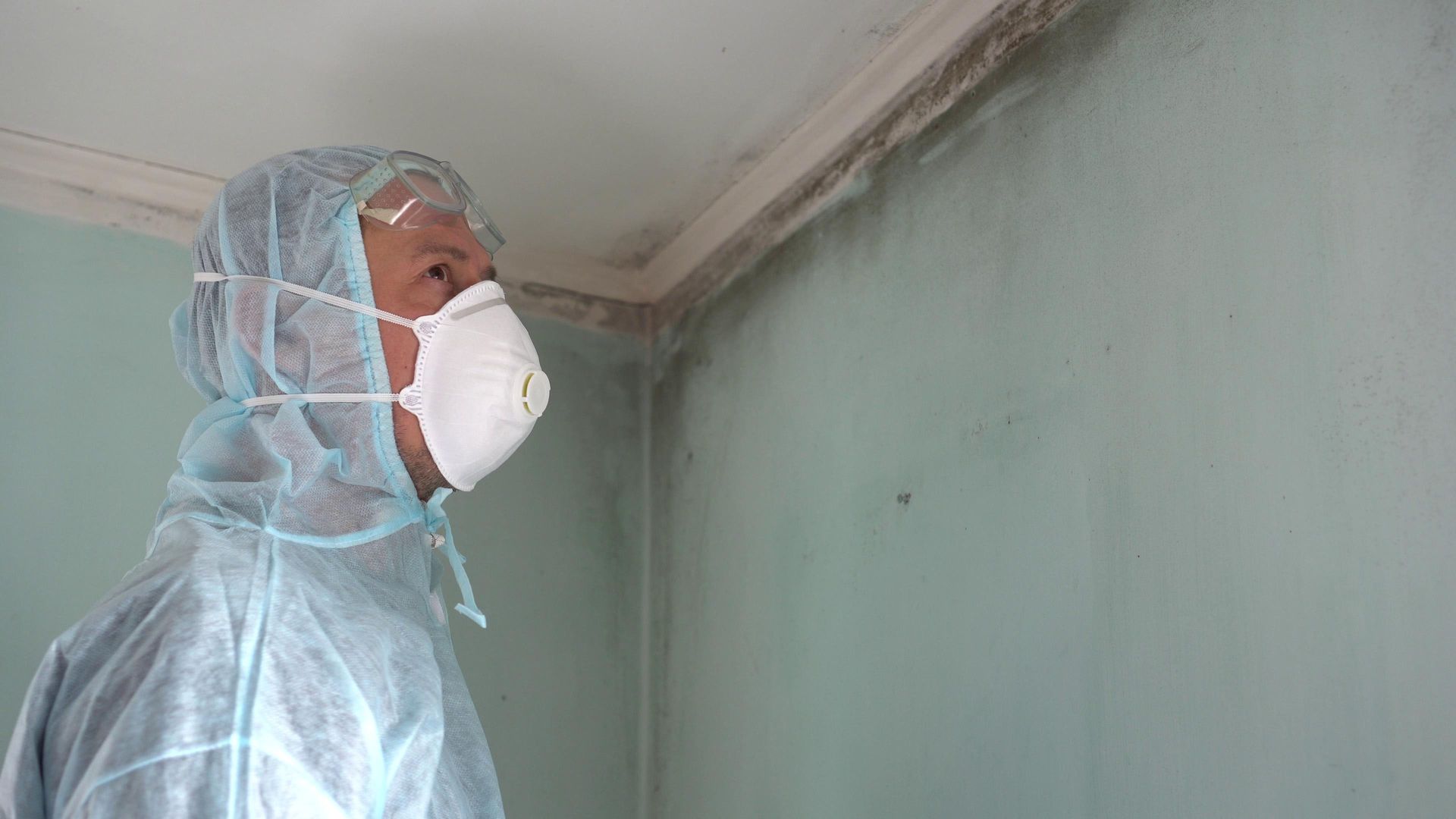
Multiple natural and human elements prompt these destructive events, spanning from severe coastal storms and rapid alpine snowmelts to deferred structural maintenance. Neglecting routine roofing upgrades or failing to inspect aging utility lines regularly creates prime conditions for catastrophic plumbing failures within large institutional buildings. According to AEI Consultants, moisture triggers a continuous degradation process long past the initial incident, where metals experience almost instantaneous corrosion and mold begins thriving within 48-72 hours in humid settings. This cascading deterioration highlights why immediate containment remains essential when managing institutional crises like school water damage.
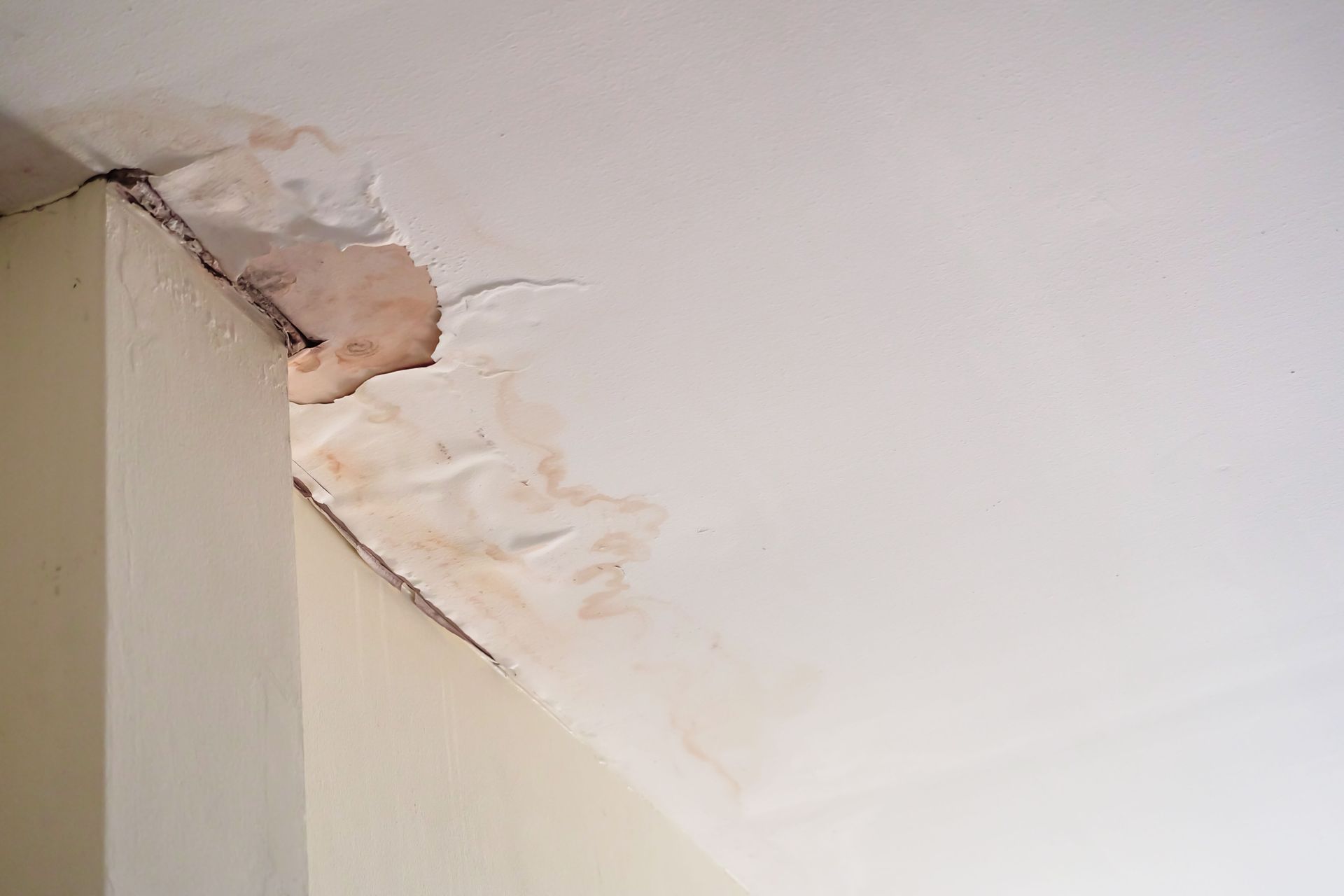
Recognizing the early warning signs of moisture accumulation prevents minor structural leaks from escalating into unmanageable indoor crises. Facility managers often notice discolored wall patches, peeling latex paint, warped hardwood flooring, or a persistent musty odor permeating public hallways. When these symptoms escape notice, porous building components like drywall, wood framing, and acoustic ceiling tiles absorb moisture rapidly, leading to permanent warping and loss of structural load capacity. In localized crises involving school water damage, affected classrooms must be evacuated quickly to safeguard occupants from compromised electrical systems and immediate indoor air quality degradation.
Quantify Hidden Economic Costs
Remediation and structural restoration demand substantial financial investments from property owners, public institutions, and commercial insurance providers. Eradicating deep-seated moisture involves specialized heavy-duty drying machinery, structural stabilization, and the wholesale replacement of ruined interior finishes and structural elements. For educational districts, managing an unmitigated crisis involving school water damage can drain annual operating budgets and redirect essential funds away from academic resources and student programs. Beyond the visible immediate repairs, hidden expenses often emerge months later during secondary mold remediation or necessary municipal drainage infrastructure overhauls.
Navigating insurance policies introduces another layer of financial complexity for commercial property owners and institutional managers dealing with moisture destruction. Standard commercial policies generally cover sudden, accidental incidents like ruptured water mains but routinely deny claims rooted in long-term neglect or deferred facility maintenance. Insurers meticulously evaluate building maintenance logs, which underscores the absolute necessity of detailed documentation for public buildings prone to school water damage. Extensive claims history can lead to significantly elevated premiums or restrictive policy exclusions, placing an immense long-term financial burden on affected organizations.
The financial ramifications extend far beyond direct cleanup bills to encompass severe indirect economic consequences that impact entire local communities. Property devaluation, prolonged operational downtime, and lost organizational productivity create compounding losses for businesses and community infrastructure alike. When structural issues force extended facility closures, the surrounding community suffers from disrupted schedules, childcare dilemmas, and emergency relocation costs. Addressing this damage swiftly remains paramount because prolonged building closures disrupt local economies, force emergency remote learning, and necessitate costly temporary facility rentals.
Evaluate Negative Environmental Impacts
Large-scale water intrusion events severely compromise surrounding ecological systems and local environmental health far beyond the affected property lines. Overflowing floodwaters collect urban debris, chemical residues, automotive fluids, and industrial pollutants, depositing these hazardous materials directly into local soil and aquatic habitats. This toxic runoff threatens local wildlife populations, contaminates precious groundwater reservoirs, and degrades agricultural productivity in surrounding rural zones. Proper storm drainage management and rapid containment strategies are vital to restrict this contaminated runoff from spreading beyond the immediate disaster zone into sensitive natural ecosystems.
Excessive interior dampness accelerates fungal colonization, creating major health hazards for occupants and generating significant building material waste. Fungi thrive on organic building elements like paper-faced drywall, wooden panels, insulation, and acoustic ceiling tiles, destroying these materials permanently. Consequently, remediation efforts generate massive quantities of contaminated construction waste that strains local landfill capacities and complicates municipal waste management. When public facilities experience widespread school water damage, tons of ruined carpeting and insulation must be discarded, conflicting with community sustainability goals and expanding the ecological footprint of the disaster.
The environmental toll also encompasses the massive energy expenditure required during modern commercial building restoration processes. Industrial dehumidifiers, high-velocity air movers, and specialized subsurface drying systems must run continuously for extended periods to extract deep-seated moisture from heavy building envelopes. This intensive energy reliance increases carbon emissions, especially when restoring large institutional complexes after significant moisture incidents have occurred. Utilizing modern, energy-efficient drying technologies helps balance the environmental costs during comprehensive property rehabilitation efforts while minimizing the overall carbon footprint.
Implement Proactive Mitigation Strategies
Deploying advanced technological solutions and reinforcing physical infrastructure represent excellent lines of defense against modern moisture threats. Modern smart sensors detect micro-leaks and anomalous humidity spikes instantly, transmitting automated alerts to maintenance personnel before visible structural damage occurs. Incorporating resilient architectural features, such as permeable pavements, green roofs, and advanced flood barriers, allows facilities to manage heavy stormwater loads efficiently. Retrofitting older commercial structures with these automated monitoring assets significantly reduces the likelihood of catastrophic internal plumbing failures over time.
Establishing comprehensive community preparedness programs and strict regulatory frameworks ensures a unified response to sudden moisture hazards. Public policy mandates regular building inspections, structural updates, and adherence to updated building codes designed to withstand severe weather events. Educational campaigns empower property managers and administrators to recognize vulnerability points within their facilities, fostering a culture of active readiness. Coordinated emergency drills and clear communication protocols allow staff members to react decisively when internal utility lines fail, protecting valuable institutional assets from ruin.
Looking ahead, the integration of predictive analytics and artificial intelligence will revolutionize how property managers anticipate moisture risks. Forward-thinking facility strategies combine structural maintenance education with smart internet-of-things devices to create fully automated monitoring networks. Innovations within the insurance sector will also incentivize the adoption of these real-time tracking tools by offering reduced premiums for protected properties. Embracing sustainable architecture and circular economy principles during restoration ensures that future buildings remain resilient, safe, and environmentally conscious for generations.
Managing the pervasive threats of indoor moisture requires a holistic approach that blends advanced technology, proactive maintenance, and rapid professional intervention. By understanding the underlying dynamics of water intrusion, addressing the associated economic and environmental consequences, and implementing robust prevention frameworks, stakeholders can safeguard properties against catastrophic degradation. Prompt action remains the single most critical factor in
school water damage mitigation and preserving healthy indoor air quality across all communities. To secure your property against these ongoing risks, we invite you to partner with us at Firewater Response LLC, so our dedicated team can provide the comprehensive restoration services your facility deserves.
Share On: